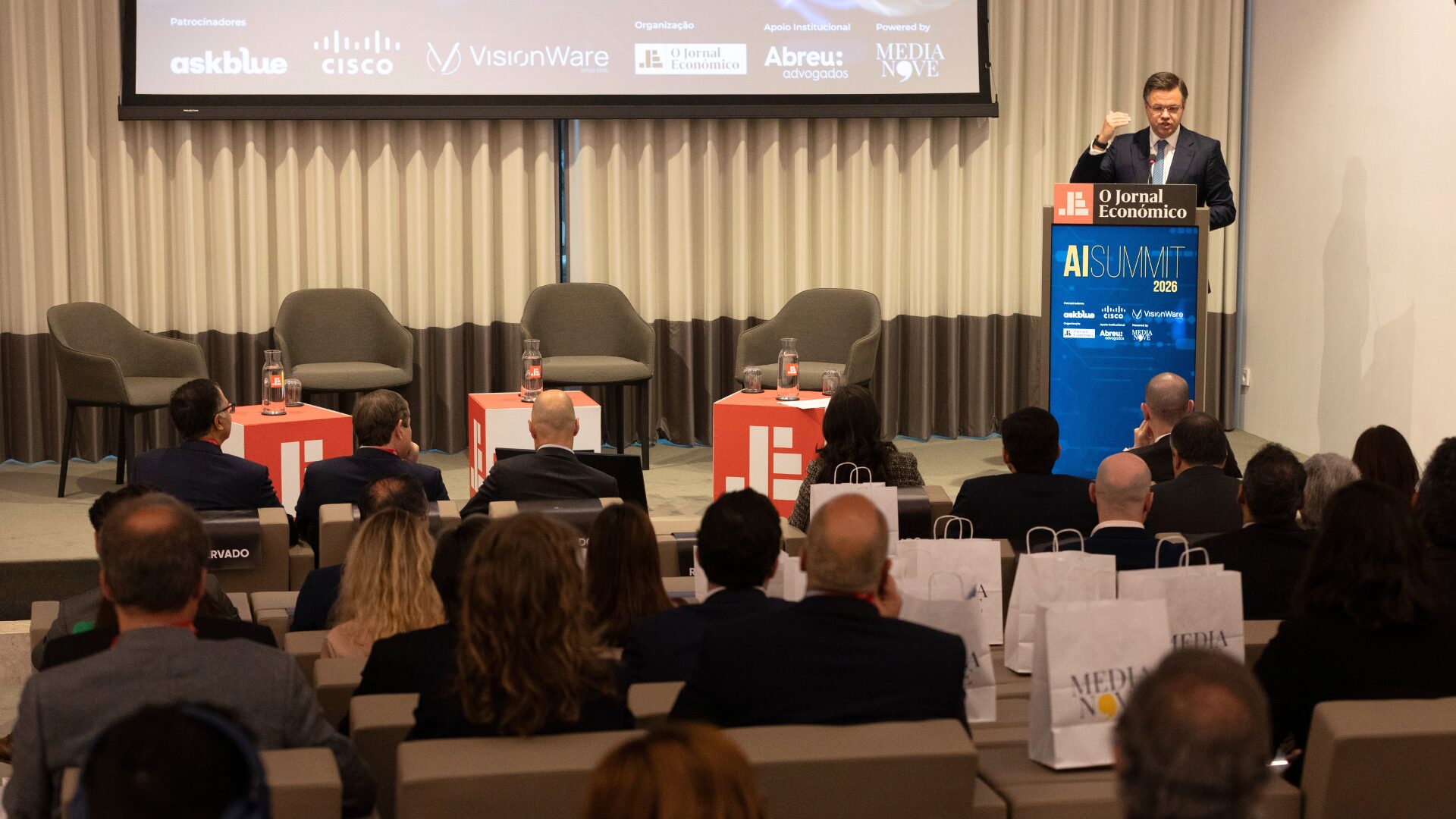
Artificial intelligence is no longer a promise, but an accelerating reality. This was the starting point for the AI Summit conference, promoted by Abreu Advogados and Jornal Económico, which brought together experts, decision-makers and business leaders to discuss Portugal’s position in the new digital economy and the challenges of technological adoption.
Throughout the event, it became clear that the country has unique conditions to establish itself as a strategic hub in this area, from the availability of renewable energy to its growing attractiveness for technological infrastructure, namely data centres, and international investment. Participants also stressed that this potential will only be fulfilled through a consistent commitment to talent retention and upskilling.
The current maturity of the market was also highlighted: AI is already integrated into many business operations, meaning that the challenge is no longer adoption, but scale. Companies are now being called upon to turn investment into real impact through robust strategies and appropriate governance models.
The conference, which featured speakers from some of the largest technology companies, such as AskBlue, VisionWare, Cisco, AWS, SAP and MEO, as well as Miguel Frasquilho, President of CIP’s Strategic Council for attracting FDI, Nova SBE Dean Paulo Oliveira, and the President of the National Council for Science, Technology and Innovation (CNCTI), Carlos Oliveira, therefore reinforced the idea that the future of artificial intelligence in Portugal will depend on the coordination of three key factors: infrastructure, skills and execution capacity.
Speaking as keynote speaker at the conference, the Minister in the Cabinet of the Prime Minister and of State Reform, Gonçalo Matias, stressed that the country can play a relevant role in the industry of the future, provided it is able to consolidate these advantages and convert them into economic scale.
Nevertheless, throughout the debate it became clear that structural potential is not enough on its own. The need for technological literacy was one of the warnings raised during the event, as the advance of artificial intelligence could deepen inequalities rather than mitigate them.
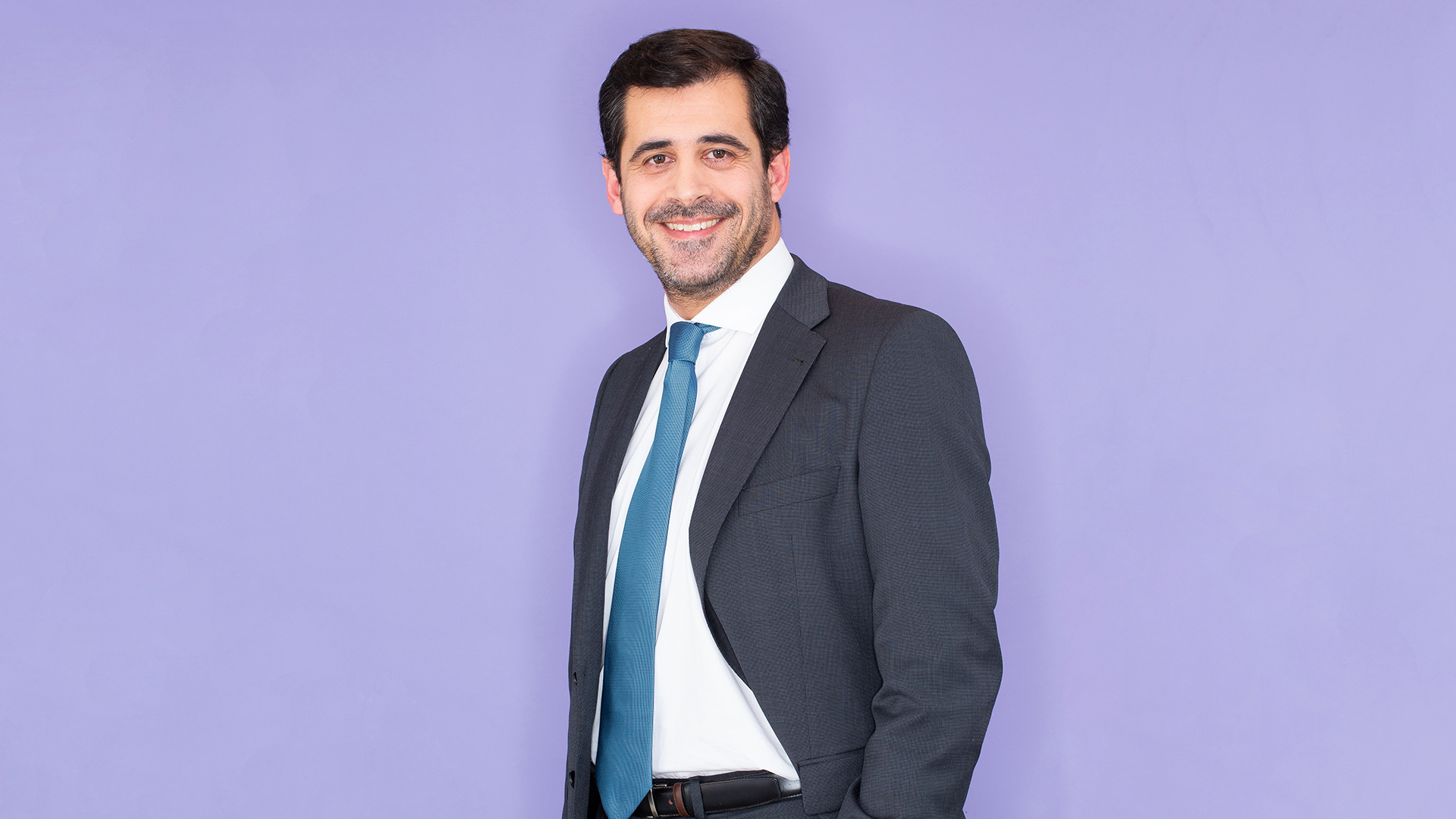
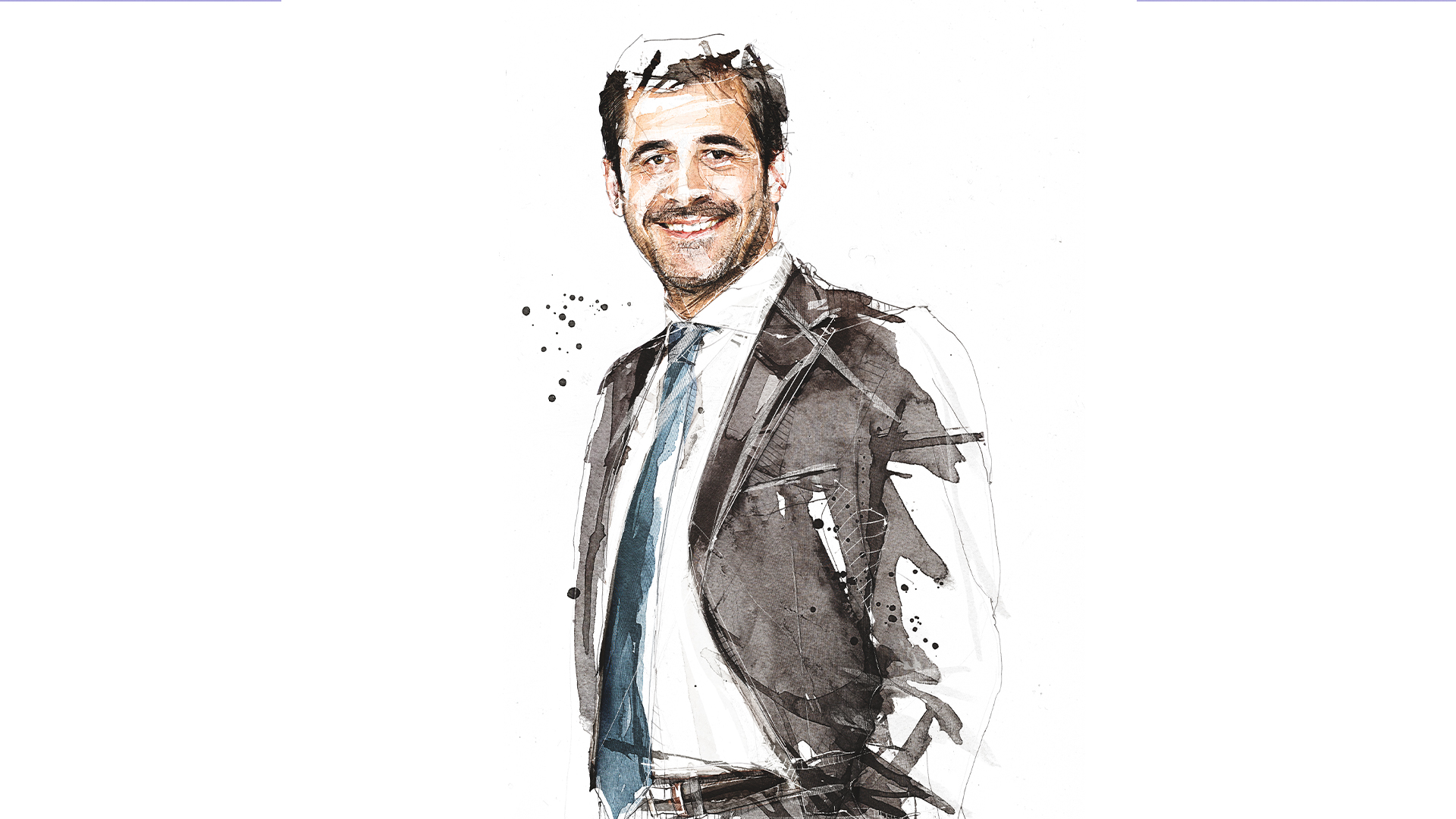
In this context, Abreu Advogados partner Ricardo Henriques explained that the focus is now on the ability to scale solutions and generate concrete impact for businesses, noting that Abreu Advogados was the first law firm in Portugal to adopt artificial intelligence in its day-to-day work.
According to the lawyer, the real challenge now lies in turning adoption into productivity, which requires strategy, governance and continuous investment.
The conference therefore highlighted a convergent vision: Portugal has the conditions to assert itself in the artificial intelligence economy, but its success will depend on the coordination of infrastructure, talent development and companies’ capacity for execution.