10.11.2026
Practice Areas: Intellectual Property and Information Technology
Type: Press
Source: Observador

Observador | Pro Bono | AI Rules: What If I Suffer Harm?
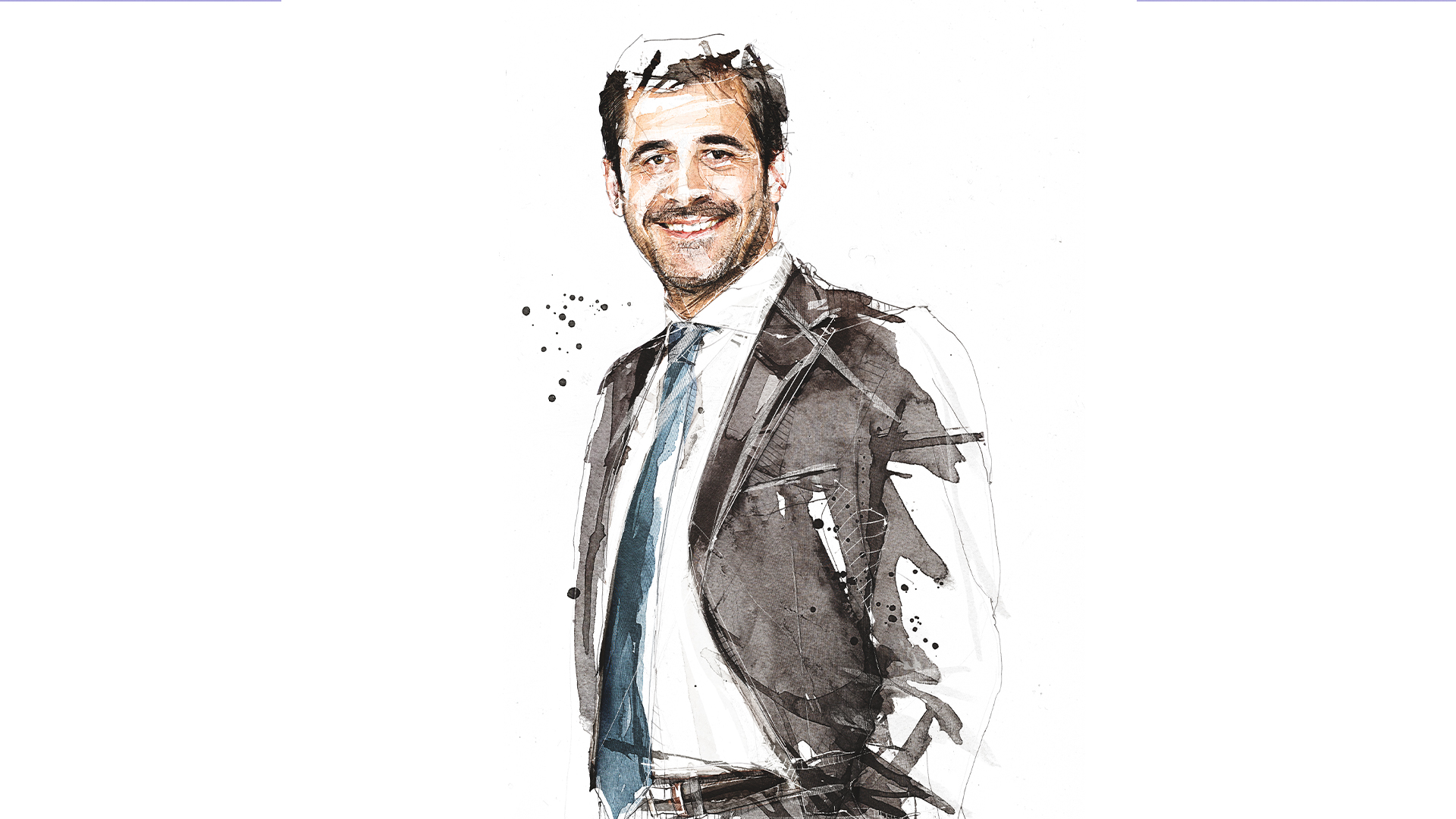
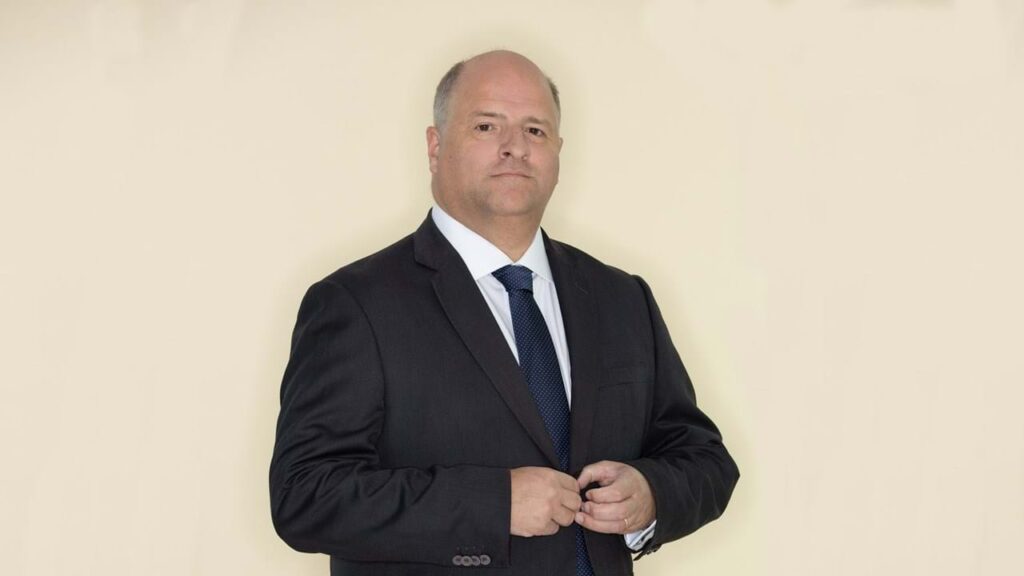
Ricardo Henriques was the guest on the latest episode of Pro Bono, the podcast produced by Abreu Advogados in partnership with Rádio Observador, dedicated to the regulation of Artificial Intelligence (AI), enforcement mechanisms and liability for damage caused by this technology.
During the discussion, the lawyer explained the limitations of self-regulation by technology companies and the importance of the EU Artificial Intelligence Act (AI Act), which establishes independent supervision and enforcement mechanisms.
“Those codes are not sufficient, I would say, because there is clearly also a need for an independent, autonomous and external body with the authority to monitor compliance and impose sanctions when the established rules are breached,” Ricardo Henriques emphasised, referring to the codes of conduct adopted by the industry.
The episode also explored the difficulty of anticipating all the risks associated with the rapid development of AI, as well as the legal mechanisms designed to prevent discrimination, fraud and the misuse of artificially generated content.
Another key topic was civil liability when an individual suffers harm as a result of an AI-generated decision or content, particularly given the difficulties in establishing a causal link between the operation of AI systems and the damage caused.
In this context, Ricardo Henriques highlighted how the complexity of establishing proof has prompted proposals to review existing liability frameworks, including strict liability solutions and risk coverage mechanisms.
“These are solutions that I believe make perfect sense to continue discussing and potentially to adopt measures that would change the current framework, precisely because of some of the difficulties that have been identified,” he stated.
The discussion also addressed the balance between regulation and competitiveness, with Ricardo Henriques arguing that the main obstacles to European innovation are more closely linked to investment and industrial policies than to the legal requirements established by the AI Act.