
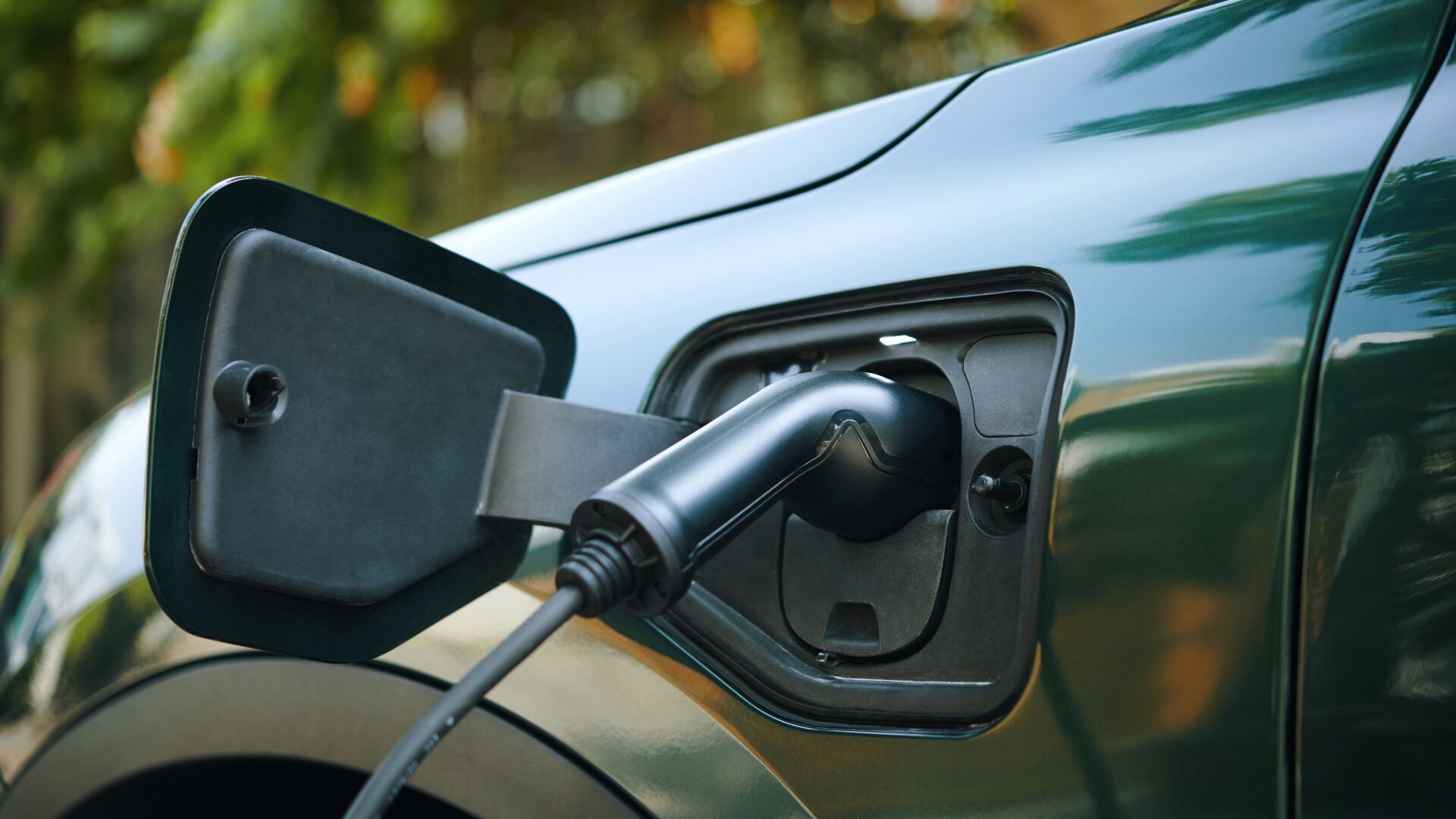
As part of the Industrial Action Plan for the European Automotive Sector, which is due to be presented on 16 December 2025, the European Commission’s Executive Vice-President for Prosperity and Industrial Strategy, Stéphane Séjourné, is expected to present a strategy to boost production and strengthen the EU’s autonomy regarding batteries.
This strategy aims to enhance competitiveness in the production of cells and battery components manufactured in Europe and is expected to include both direct financial incentives and additional measures to support the industry.
At the same time, it seeks to ensure resilience and autonomy across the entire value chain of the battery industry, which is identified as one of the strategic pillars of the European economy and whose continuous supply is a priority for the Union’s security and defence.
The strategy, which will mobilise €1.8 billion to finance projects across the entire value chain of critical raw materials (such as lithium, cobalt, nickel, manganese, and graphite), is interconnected with a series of other initiatives which together form the critical raw materials financing hub, including the InvestEU Fund, the Innovation Fund and the European Defence Industry Programme.
In recent times, the Commission’s commitment to strengthening the battery sector has been evident. In March 2025, the Commission selected 47 strategic projects (including three lithium extraction projects and one copper extraction and processing project in Portugal) for €22.5 billion in funding, with the aim of securing and diversifying sources of supply for critical minerals within the European Union.
This initiative was an important step in implementing the European Critical Raw Materials Regulation (CRM Regulation), adopted in 2024, which sets targets that by 2030, 10% of extraction, 40% of processing and 25% of recycling should take place on European soil.
Currently, most of the supply chain—including raw materials, processing, and manufacturing—is dominated by third countries, particularly China, which accounts for 75% of global production.
The use of batteries is essential for meeting the ambitious goals of the European Green Deal and for the decarbonisation of sectors such as energy, transport and industry, as well as for ensuring the resilience of essential infrastructure such as the electricity grid.
The market value of the European battery sector in 2025 is estimated at €250 billion, more than half of which relates to the mobility sector, where lithium-ion batteries are the primary focus.
Our team remains at your disposal for further information.