The Commission is collecting contributions with a view to presenting, most likely in the fourth quarter of 2026, a legislative proposal to harmonise EU-wide rules on animal welfare.
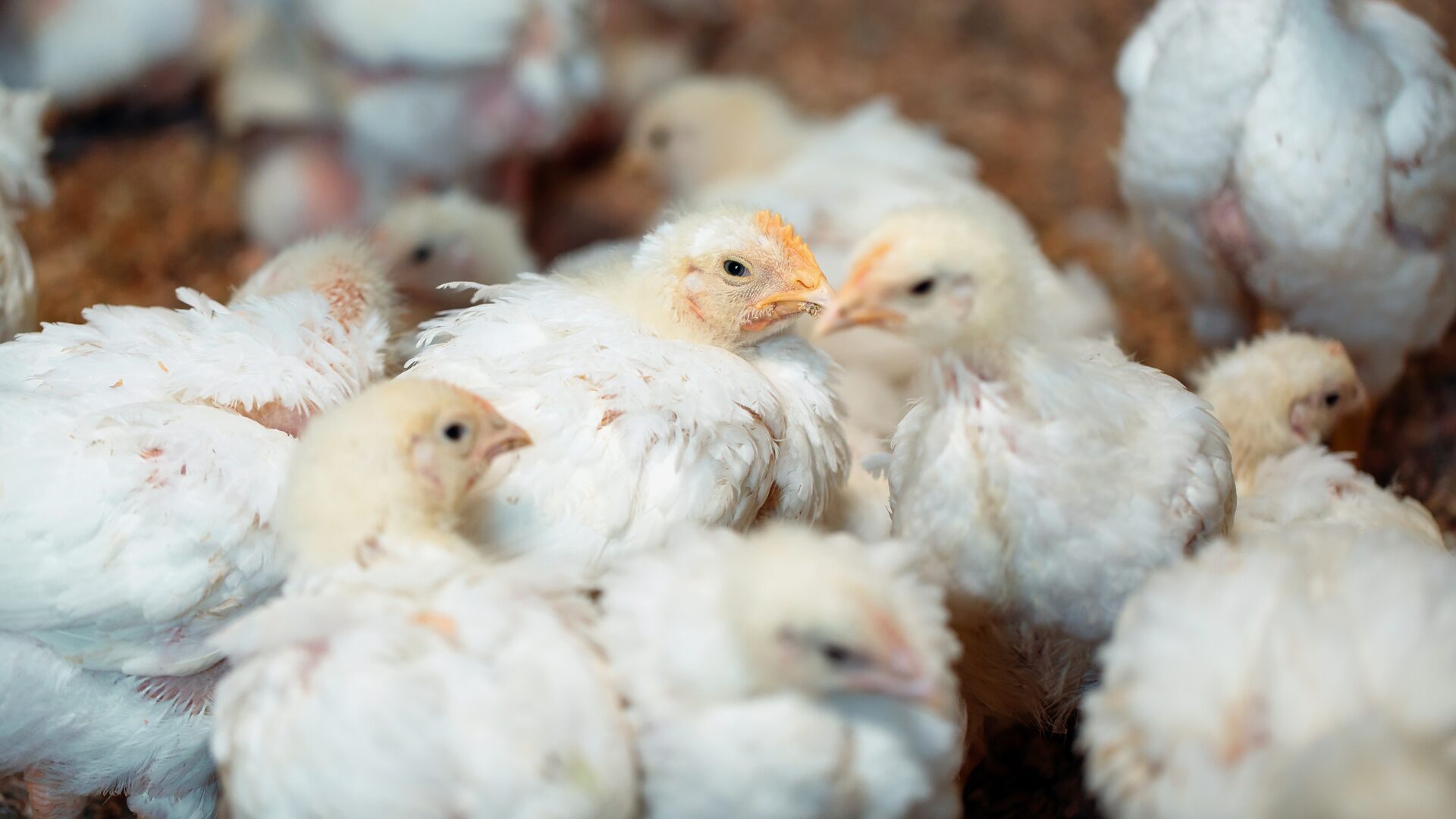
Current rules allow the continued use of confined housing systems for laying hens, pigs, calves, pullets, broiler breeders, layer breeders, rabbits, ducks, geese, and quails.
According to the Commission, these systems severely restrict the natural behaviour and movement of these animals and also allow for the systematic culling of day-old male chicks in the laying hen sector, which may raise ethical concerns.
There is a growing sensitivity among consumers regarding the need for more ethical treatment of animals, as observed by the Commission in the development of EU quality schemes that include stricter animal welfare standards, such as organic production or alternative production methods (e.g. barn and free-range systems).
In response to citizens’ expectations, several Member States have introduced stricter national rules, exposing certain legislative gaps at EU level and creating unequal competition conditions in the single market for farmers and food businesses.
The complexity and overlap of the current rules make their implementation, monitoring, and enforcement more difficult.
Harmonising animal welfare rules across the EU should ensure consistent standards in all Member States, preventing market distortions and unfair competition. Without a common approach, national legislation remains fragmented, potentially creating unequal conditions for farmers and food businesses.
Harmonised standards and clear rules may also facilitate compliance and enforcement.
An EU-wide framework could improve accountability and help authorities monitor progress. By integrating animal welfare indicators and digital tools, monitoring is also expected to become more effective and transparent.
The Commission intends to present a legislative proposal for the first sectors in 2026. It will decide which sectors to cover after a range of stakeholder consultations and feasibility studies to be carried out in 2025.
The overall objective is to ensure uniform and high-level protection of animal welfare, as well as to guarantee fair competition for farmers, reduce administrative burdens, and align with ethical expectations and concerns to achieve better enforcement. The following key options may be considered by the Commission during the consultation and impact assessment phase:
Gradual phase-out of cages. Establish appropriate transition periods for the gradual phase-out of cages and technical requirements for cage-free systems. The potential sectors to be considered in the consultations and impact assessment include laying hens, pigs, calves, pullets, broiler breeders, layer breeders, rabbits, ducks, geese, and quails.
Indicators and digitalisation. Determine which welfare indicators should be used and how they should be measured. Explore the integration of digital tools for effective and transparent monitoring and to reduce administrative burdens. The potential sectors to be considered in the consultations and impact assessment include poultry, pigs, cattle, and meat rabbits.
Import requirements. Determine whether and to what extent equivalent animal welfare standards should be imposed on imports of animals and animal products. This would cover both current EU animal welfare requirements and any new requirements arising from the legislative proposal. The potential sectors to be considered in the consultations and impact assessment include poultry, pigs, calves, and rabbits.
Culling of day-old male chicks in the laying hen sector. Gradually phase out this practice and establish suitable transition periods and possible exemptions.
The public consultation period is open until 12 December 2025.
Our team is available for further information.