
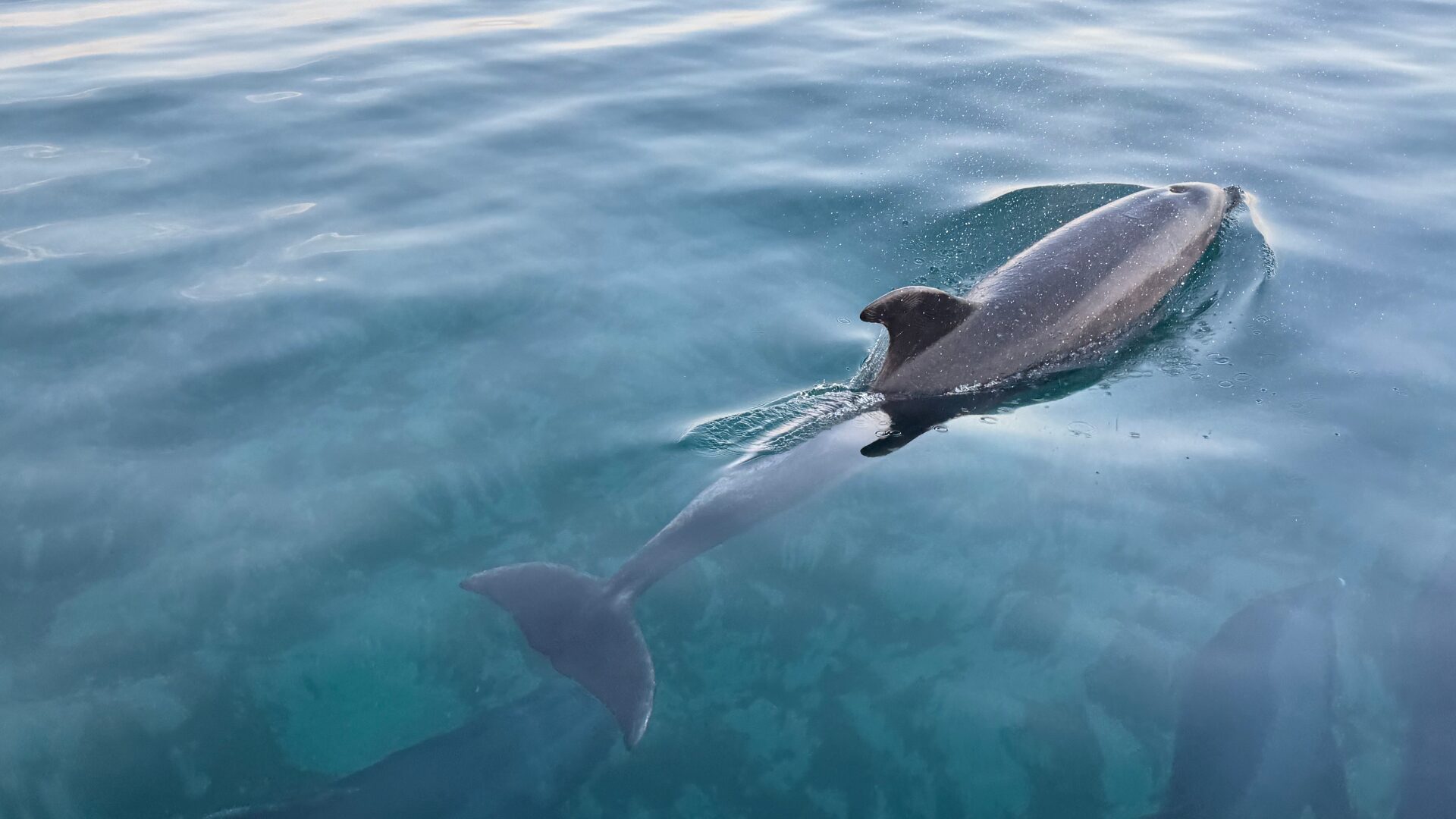


BBNJ Agreement: A Groundbreaking Milestone for Ocean Conservation
On September 20, 2025, the threshold of 60 ratifications was reached for the BBNJ Agreement (Biodiversity Beyond National Jurisdiction), marking a major milestone that ended the signing period and set the stage for the treaty’s entry into force in January 2026.
Adopted in 2023 by the United Nations Member States as part of the United Nations Convention on the Law of the Sea (UNCLOS), the agreement sets forth a global legal framework aimed at conserving and sustainably using marine biodiversity in areas beyond national jurisdiction, such as the high seas and the deep seabed, which together cover nearly half of the Earth’s surface.
The treaty introduces concrete mechanisms to promote high seas conservation, such as the creation of Marine Protected Areas, mandatory Environmental Impact Assessments, the fair sharing of benefits from marine genetic resources, and dedicated support for developing countries. It is also a key tool for implementing the Kunming-Montreal Global Biodiversity Framework, which aims to protect 30% of the planet’s land and sea by 2030.
Key Areas of the BBNJ Agreement
- Marine Genetic Resources (MGRs)
The agreement ensures fair and equitable sharing of benefits from marine genetic resources, used in fields such as pharmaceuticals and biotechnology, collected in areas beyond national jurisdiction. Under Part II, states must share both scientific data and potential profits, particularly with developing countries, and notify their activities through a central Clearing House.
- Marine Protected Areas (MPAs) and Area-Based Management Tools
For the first time, the high seas can be protected through internationally recognized MPAs. Part III outlines the process of proposing and adopting MPAs based on scientific advice and public consultation. While consensus is still the preferred method for decisions, a majority vote can be used if consensus cannot be reached. States may object but must justify their position and take equivalent conservation measures.
- Environmental Impact Assessments (EIAs)
Part IV mandates EIAs for activities in international waters that may cause significant harm to marine ecosystems. This includes potentially damaging practices like deep-sea mining or oil exploration.
Portugal was the first European state do ban deep-sea mining, following the approval of Law No. 36/2025 of 21st March.
States must make their plans and decisions publicly available via the Clearing House and consider input from scientists and stakeholders.
- Capacity Building and Technology Transfer
To ensure all nations benefit from and contribute to high seas conservation, Part V provides for financial support, training, and technology sharing with developing countries. A funding mechanism—including a special fund and trust fund—will be established and overseen by a committee to ensure fair distribution and accountability.
Key Innovations of the BBNJ Agreement
- A New Legal Framework for the High Seas: The treaty closes longstanding governance gaps, creating the first comprehensive regime to manage and protect biodiversity in areas beyond national jurisdiction.
- A Science-Based Approach: The agreement relies on the best available science and traditional knowledge, supported by a new Scientific and Technical Body and a Clearing House Mechanism to enable data sharing and informed decision-making.
Work to be done / Next Steps & Implications for Portugal
The BBNJ Agreement represents a decisive step toward strengthening global ocean governance and addressing key gaps left by UNCLOS. By legally binding the international community to protect marine biodiversity beyond national jurisdiction, it sets the foundation for stronger collective action against threats such as climate change, pollution, and overfishing.
Portugal, with one of the largest Exclusive Economic Zones in the world, has a direct interest in implementing the agreement to safeguard its rich marine biodiversity while fostering opportunities for research and innovation.
As the former host of the 2nd United Nations Ocean Conference in 2022, Portugal is well positioned to maintain its leadership in advancing international ocean governance and reaffirm its commitment to conserving and sustainably using marine biological diversity both within and beyond areas of national jurisdiction.
When it enters into force in January 2026, the agreement will mark the capstone/fulfilment of nearly two decades of negotiation and serve as a crucial instrument for a more sustainable and equitable future for our oceans.