
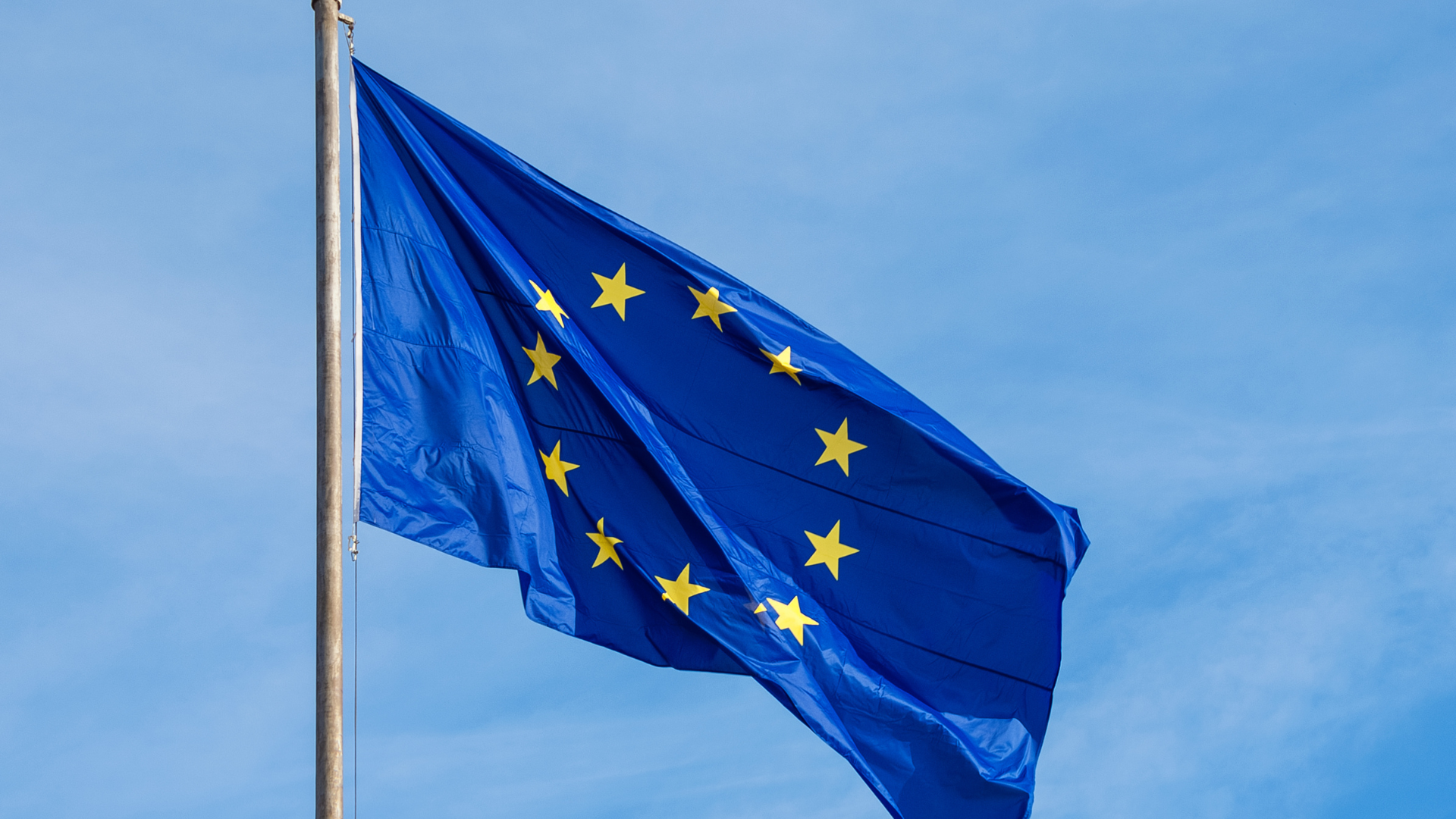
The European Commission is expected to present the 2026 annual enlargement package on 28 October, at a particularly significant moment for the future of the Union. The enlargement process represents a historic opportunity not only for candidate countries seeking accession, but also for the current Member States and for the EU as a whole.
Geopolitical challenges have reinforced Europe’s unity of purpose since Russia launched its full-scale war of aggression against Ukraine. Against this backdrop, the Union’s enlargement process has gained renewed momentum, as a means of promoting long-term peace and stability, increasing prosperity and creating opportunities for businesses, while also strengthening the EU’s role on the global stage.
There are currently nine candidate countries formally seeking to join the EU: Ukraine, Moldova, Georgia, Albania, Bosnia and Herzegovina, Montenegro, North Macedonia, Serbia and Türkiye. The accession processes of Türkiye and Georgia are currently at an impasse due to democratic backsliding. Kosovo is also recognised as a potential candidate country, although it has not yet been granted formal candidate status. Other countries, such as Iceland, Norway and Switzerland, have considered EU membership but ultimately chose different paths following national referendums.
The 2025 enlargement package highlighted Montenegro, Albania, Ukraine and Moldova as the countries that had made the most substantial progress on key reforms. The pace, depth and quality of those reforms suggest that, if maintained, accession negotiations could be concluded over the coming years. Progress was also recorded in Serbia, North Macedonia and Bosnia and Herzegovina, which continue to work towards meeting the necessary criteria, albeit with some remaining limitations.
EU enlargement is approaching a decisive moment. In the coming months, Albania and Montenegro may take further steps towards accession, while Ukraine and Moldova continue to advance in their negotiations. At the same time, Brussels faces a broader question: what reforms will be required to accommodate a larger, more diverse and inevitably more complex Union?
The presentation of the pre-enlargement policy reviews, scheduled for 30 September, is therefore another key milestone, as the Commission seeks to regain the initiative in developing a roadmap for the functioning of an EU with 30 or more Member States.
As in previous years, the 2026 enlargement package is expected to comprise a communication and individual country reports. The enlargement communication is a strategic document analysing the main developments over the previous year, including recommendations aimed at advancing the process. The country-specific reports provide a detailed assessment of the progress made and the remaining gaps in each candidate country, particularly in critical areas such as the rule of law, while also setting out in-depth analysis and recommendations on the reforms required to align national legislation with EU standards.
The enlargement process must continue to be rigorous, fair and merit-based, reflecting the objective progress achieved by each candidate. Candidate countries must implement demanding and lasting reforms, ensuring the sustained transformation of their economies, institutions and democratic systems so that they can fully align with the Union’s standards and values.
As the EU prepares for what could become its most significant wave of enlargement, the geopolitical implications are profound and wide-ranging. Establishing a stronger European position is essential in a global context marked by intensifying competition between major powers, security threats and the reshaping of global alliances. While candidate countries must prepare for the responsibilities arising from membership, the Union itself may also need to undertake internal institutional reforms in order to integrate new members without compromising the efficiency of its decision-making processes.
Following the presentation of the 2026 annual enlargement package, the Council will be responsible for considering the Commission’s recommendations and taking decisions on the next steps in the enlargement process.