
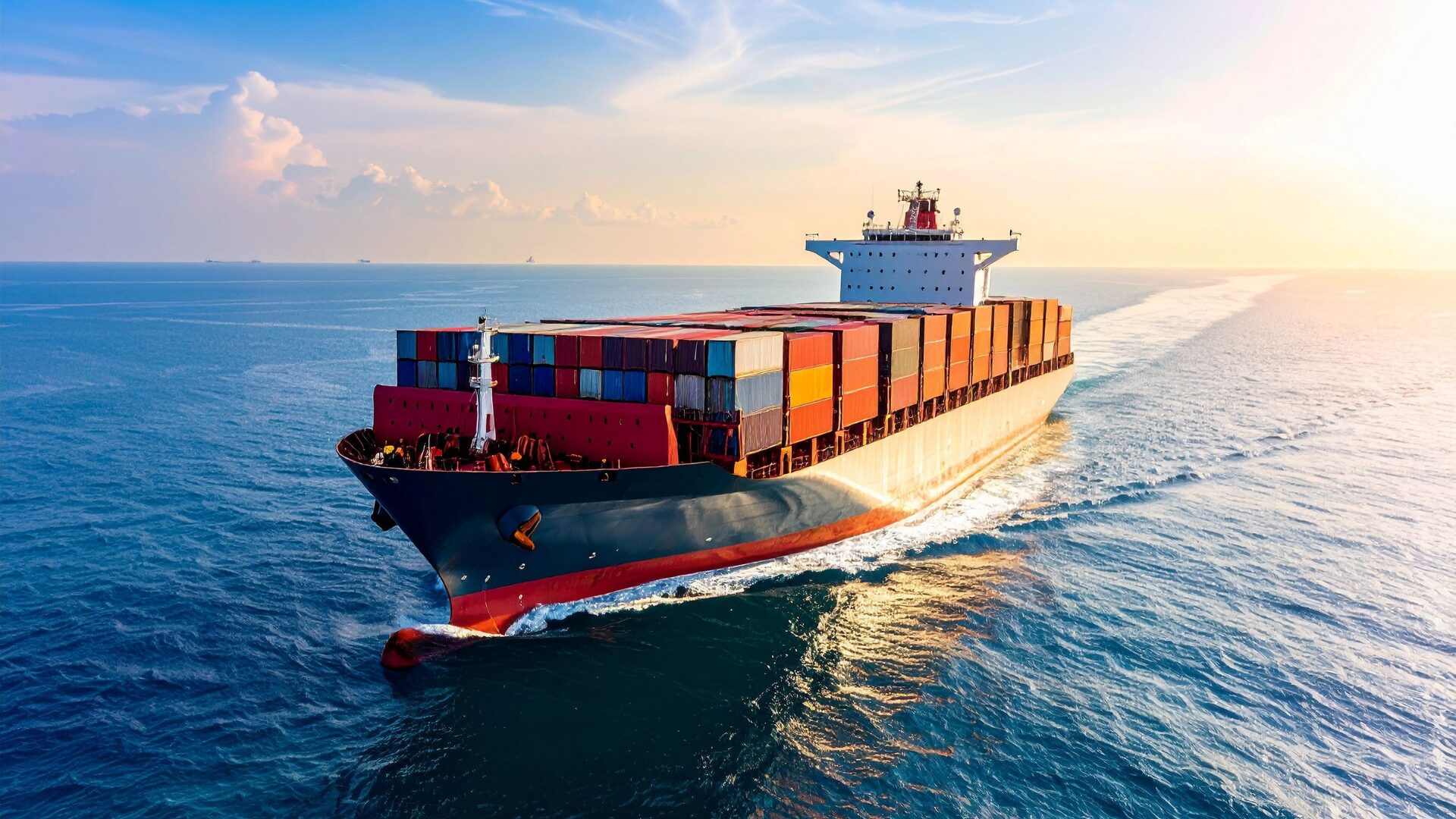
The European Commission is expected to present the European Union’s Maritime Industrial Strategy on 18 February, an initiative aimed at responding to the strategic challenges facing the European maritime and inland waterways sector, in a context marked by the acceleration of the climate transition, digital transformation, intensifying international competition and growing concerns regarding the EU’s strategic autonomy.
The EU Maritime Industrial Strategy is expected to define a comprehensive policy framework, setting out strategic objectives, lines of action and support instruments. The initiative will cover not only the maritime manufacturing industry — including shipbuilding, ship repair and modernisation, as well as the production of highly technology-intensive equipment and systems — but also the entire extended value chain of the sector, encompassing maritime transport, inland navigation, seaports and river ports, shipyards, suppliers of critical components and related services.
One of the central objectives of the strategy will be to promote domestic manufacturing and innovation capacities, seeking to ensure that the European Union maintains and strengthens industrial capabilities considered strategic, particularly in the fields of advanced naval engineering, the digitalisation of maritime transport, port automation and the development of clean and low-carbon technologies.
At the same time, the strategy is expected to encourage the development and retention of specialised knowledge within the EU, mitigating the risks of industrial relocation and reducing external dependencies in critical segments of the maritime supply chain.
In order to maximise the impact of the proposed measures and to ensure an effective scaling effect, the Commission foresees that the Maritime Industrial Strategy will be implemented in coordination with other relevant EU-level policy initiatives. In particular, the strategy is expected to align with the EU Ports Strategy, which aims to strengthen the role of ports as logistical, industrial and energy hubs, as well as with the Sustainable Transport Investment Plan, which seeks to mobilise public and private funding to support the modernisation of transport infrastructure and the transition to more sustainable mobility models.
This integrated approach reflects the Commission’s intention to align the objectives of industrial competitiveness, decarbonisation and supply-chain resilience, in line with the European Union’s climate and industrial goals.
As highlighted in the so-called Draghi Report, the inland waterway transport sector and the European maritime manufacturing industry face a set of significant structural and cyclical challenges. Among these is the intensification of global competition, particularly from economies that provide strong state support to their shipyards and maritime operators, which has been placing pressure on the EU’s traditional position as a global leader in shipbuilding, high-technology equipment manufacturing and inland waterway transport.
This context is compounded by the sector’s inherently high capital intensity and the persistent barriers to access to finance in Europe, particularly for projects related to modernisation, technological innovation and the energy transition.
These economic and financial challenges are further aggravated by demographic and labour-market factors. The European maritime sector is facing a pronounced ageing of its workforce, coupled with growing difficulties in attracting new talent and shortages of qualified profiles in technical and digital fields. In this context, the need for upskilling and reskilling is particularly acute, especially with regard to the adoption of digital technologies, the use of alternative fuels and the implementation of innovative solutions for energy efficiency and emissions reduction.
The EU Maritime Industrial Strategy is expected to be a key instrument for responding to all these challenges in an integrated manner.